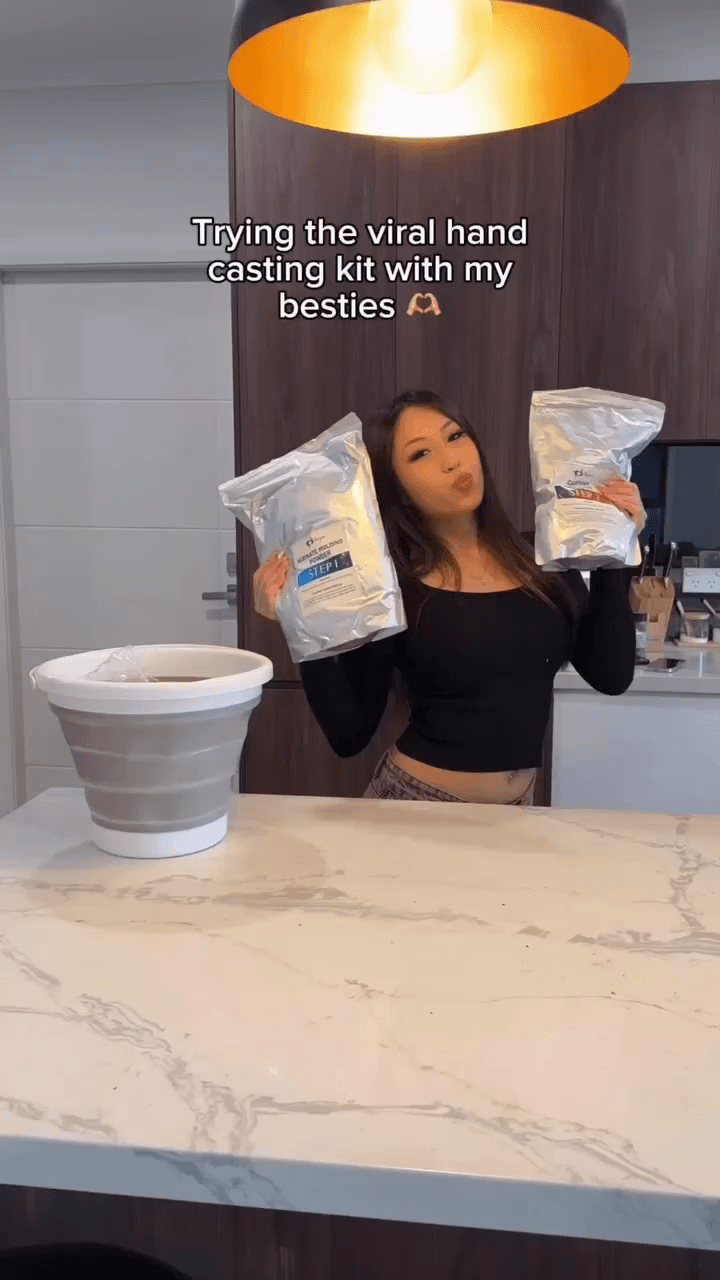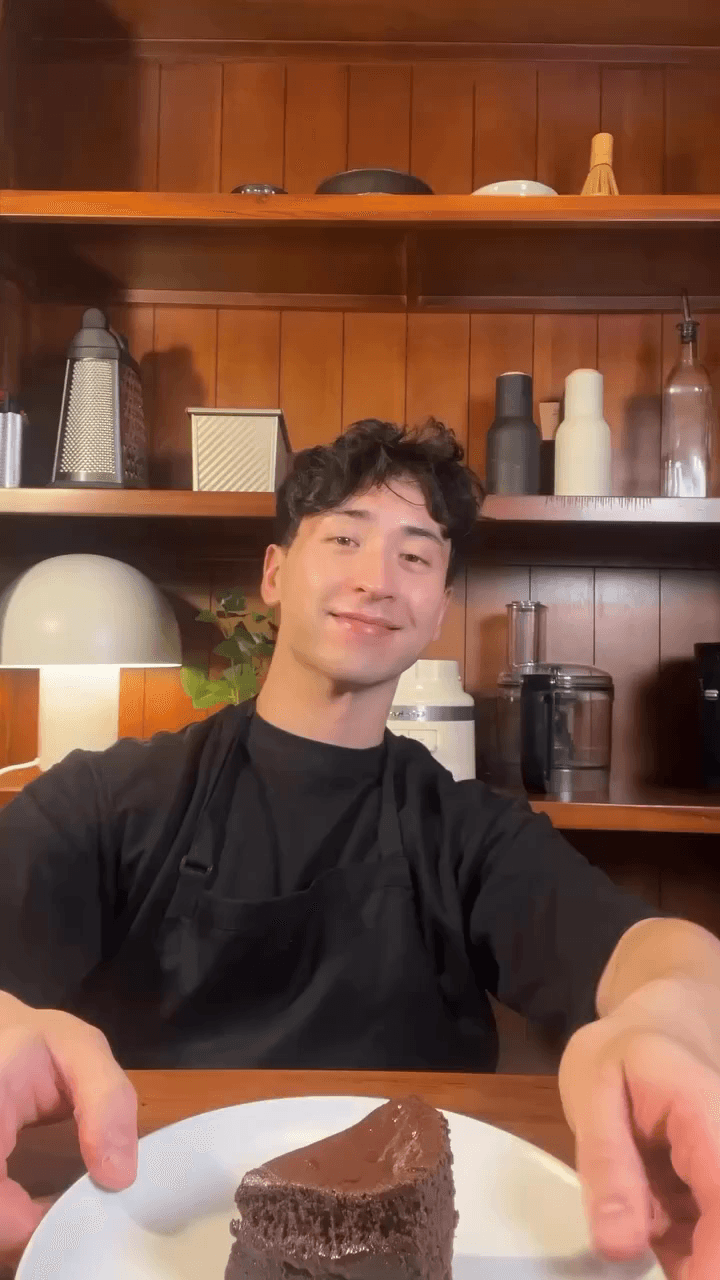
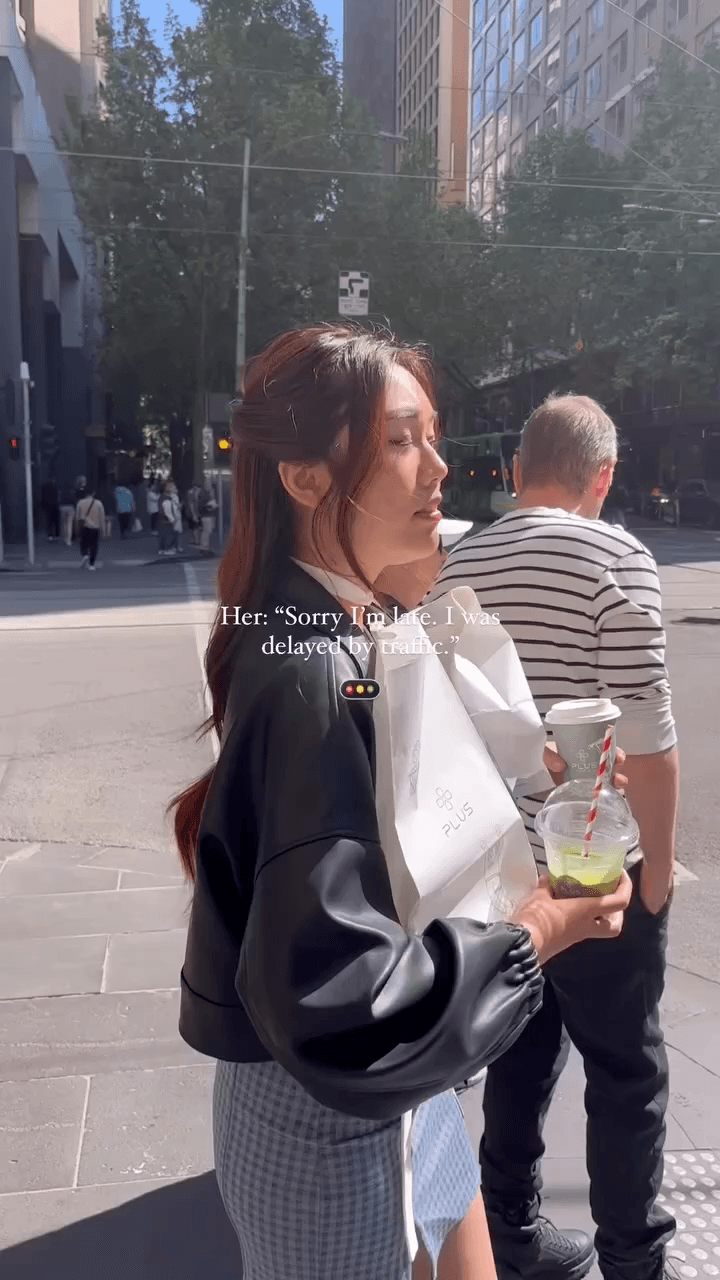

UGC stands for user-generated content: photos, videos and reviews made by people rather than by the brand. But if you work in marketing, you've probably noticed the term now means two different things, and the difference matters for your budget.
The two meanings of UGC
- Organic UGC. Content real customers make on their own: a review, an unboxing, a tagged post. It's free, it's genuine, and you can't control when or whether it happens.
- Creator-made UGC. Videos a brand pays a creator to make in that same authentic, customer-style format, to post on the brand's own accounts or run as ads. This is what most people mean by “UGC” in paid social today, and it's what UGC creators and agencies sell.
The rest of this guide is about the second kind.
UGC vs influencer marketing
A UGC creator makes content for your channels and ads, so their audience doesn't matter and they don't need a big following. An influencer posts to their own audience, so reach and audience fit are what you're paying for. They solve different problems; we break down which you need first in UGC vs influencer marketing.
Why brands use UGC
- It doesn't look like an ad. A real person talking to camera holds attention on TikTok and Reels in a way polished brand content often doesn't.
- It's affordable enough to test. You can make many videos, with different creators, angles and hooks, and put spend behind what wins. That testing is where the returns come from, as the math of UGC economics shows.
- It keeps ads fresh. Ads wear out. A steady supply of new UGC keeps performance from sliding. More in why creative is the new media buying lever.
Common UGC formats
- Testimonial: a creator explaining why they rate the product.
- Problem and solution: opens on a frustration, then shows the product fixing it.
- Unboxing or first impressions: the moment someone tries it.
- Voiceover with B-roll: close-ups of the product with the creator talking over the top.
- Listicle: “three reasons I switched”.
Whatever the format, the first three seconds decide whether anyone watches. See five hooks that outperform on Meta, or generate some with our UGC hook generator.
What UGC costs in Australia
Ad creative from a UGC creator costs around $200 a video from a newer creator, $350 from a mid-level creator and $500 from an experienced one. Organic UGC is usually about half that. Usage rights, whitelisting, raw footage and extra hooks are charged on top. The full breakdown is in UGC creator rates in Australia, and our UGC rate calculator estimates a budget.
How to get started
Start with a clear brief (here's how to brief a UGC creator), work with several creators rather than one, and plan to test hooks and angles from day one. Or let us run it: our UGC campaigns handle sourcing, briefing, production and rights on a monthly cadence.