Why these five formats
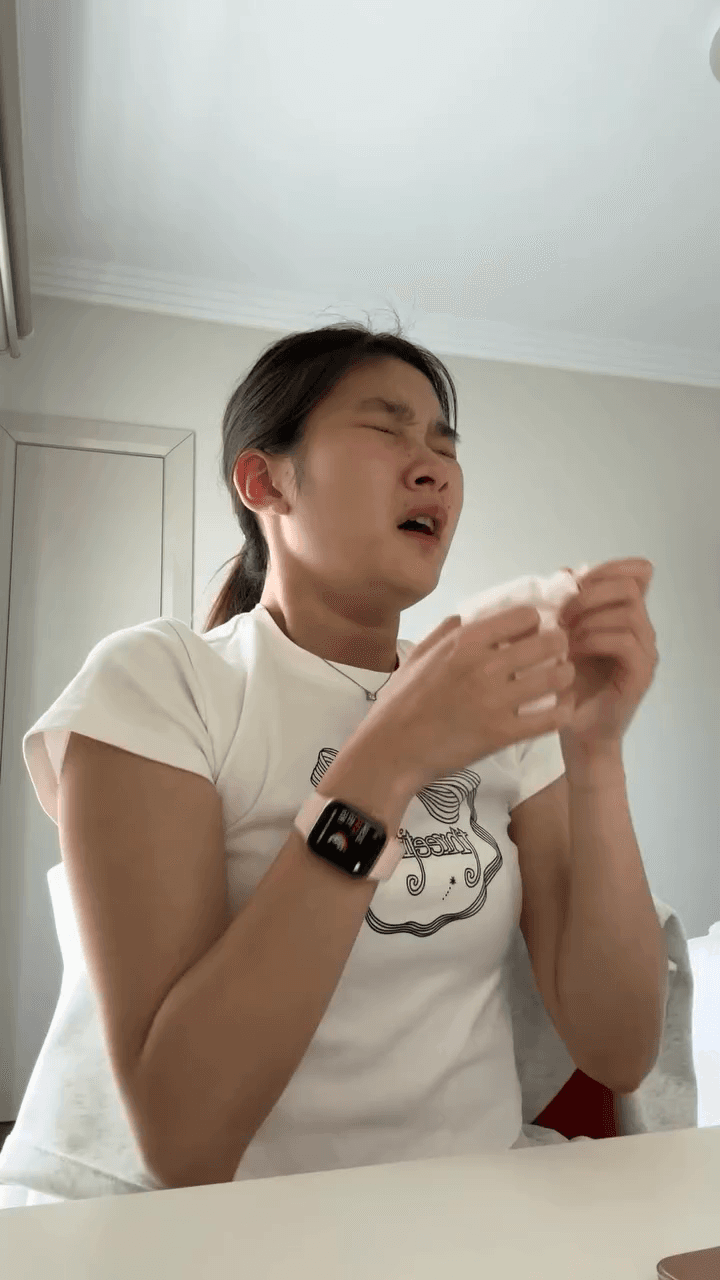
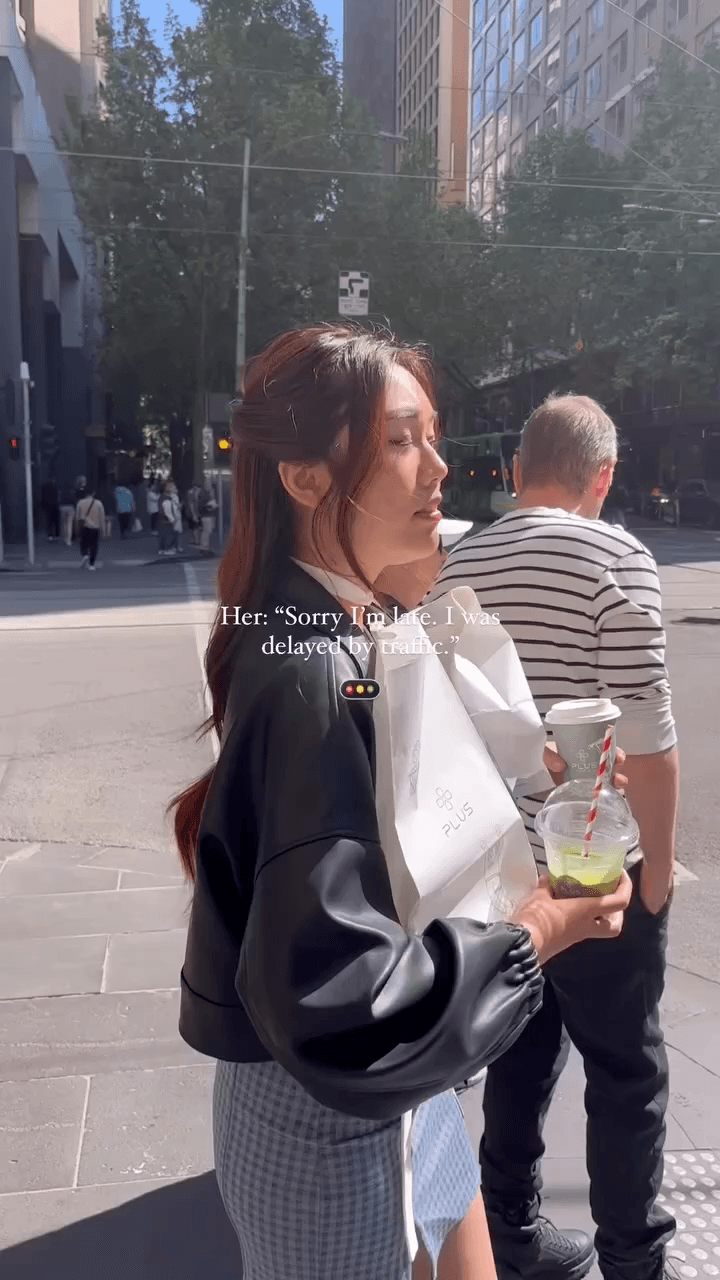
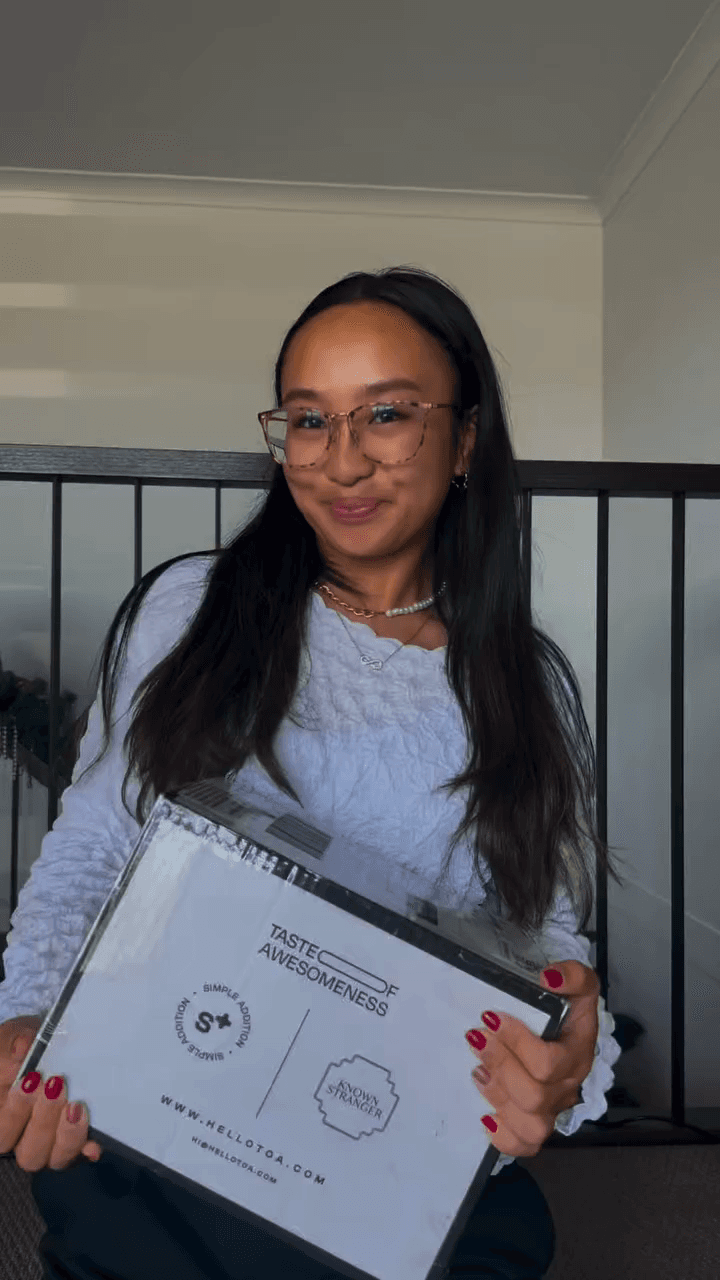
Across the campaigns we run, the same five hook formats keep outperforming. None of them are about the brand: each one works on a specific scrolling instinct, and the product comes in after the hook has done its job. We go through each format in detail in five hooks that consistently outperform on Meta.
Use them as angles, not scripts
Hooks written by brand teams tend to sound like ads. Hand creators three or four of these as starting angles and let them say it in their own words. That's also how we write briefs: outcomes, not lines. See how to brief a UGC creator.
How to test them
- Pick two formats and write three variations of each.
- Shoot one video, then cut six versions with different first three seconds and an identical body.
- After two weeks, put spend behind the winning hook, then test two new formats the next month.
What makes a good hook
The first three seconds decide whether anyone watches the rest, on TikTok, Reels and Meta ads alike. A good hook does one of three things: it names a problem the viewer has, it shows a result they want, or it says something that challenges what they believe. Whatever you choose, the words and the first frame have to land together.
- Say it, show it and write it. The spoken line, the opening shot and on-screen text should all carry the hook, because many people watch with the sound off.
- Be specific. “Three compliments on my skin today” beats “great skin results”. Specific details read as real.
- Get to it. No intros, no “hey guys”, no logo. Start mid-thought.
How to use the hooks it generates
- Fill in the four fields with real details from your reviews or customers. The more specific the inputs, the better the hooks.
- Pick two or three hooks from different formats, not three versions of the same one.
- Film each as its own opening on the same video. The rest of the video stays the same.
- Run them as separate ads and let the results pick the winner.
Testing hooks this way is the cheapest creative test there is: one shoot, several openings. It's why extra hooks are usually the best-value add-on when you buy UGC; see UGC creator rates in Australia.
Common hook mistakes
- Hooks written by the brand team tend to sound like ads. Give the creator angles and let them say it their way.
- Burying the hook under the app interface. Keep text inside the safe area with our safe zone checker.
- A hook the video doesn't pay off. If the opening promises a result, the video has to show it, or viewers feel tricked and scroll.